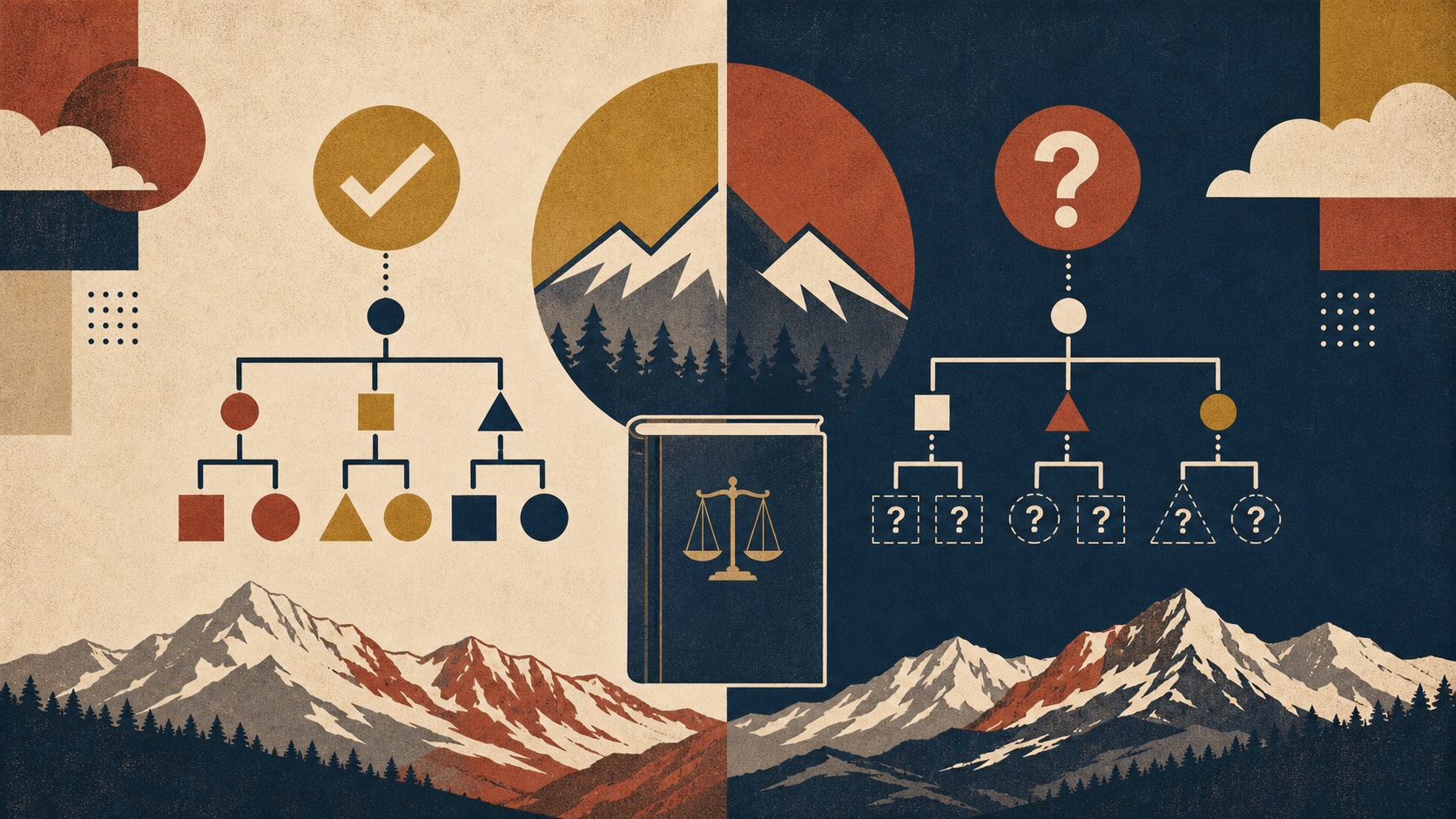
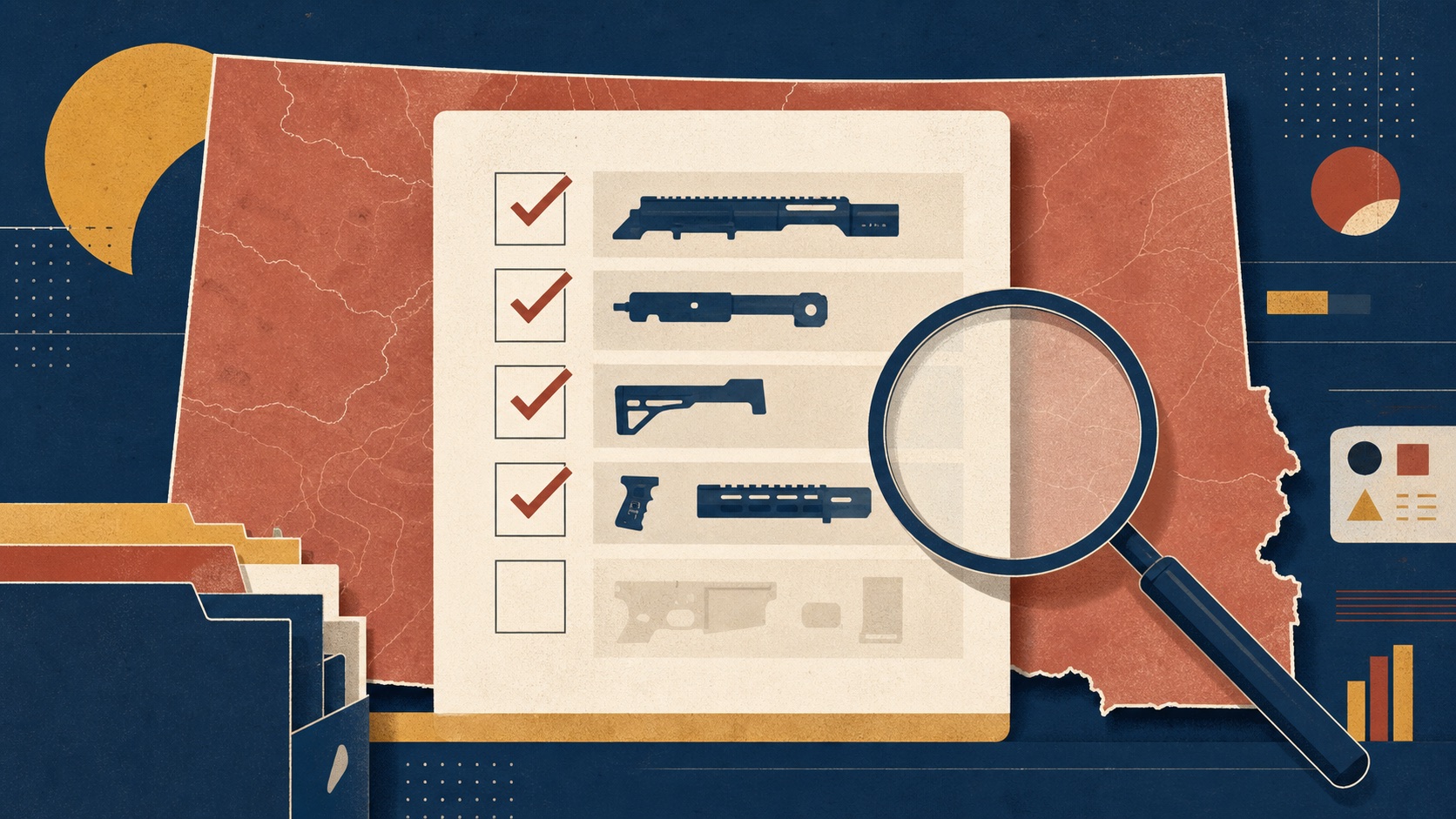
Colorado's SSF guidance list clearly has AR- and AK-pattern pistols in mind for its "gas-operated semiautomatic handgun" category — that's the overwhelming majority of what's in that section. But the category isn't defined around the AR platform specifically; it's defined around the operating mechanism. And that means it also catches a small number of genuinely unusual, much older handgun designs that have nothing to do with modern sporting rifles.
The Wildey Survivor
Sitting on the state's official pistol list is the Wildey Firearms Corp Survivor Series — a large-bore, gas-operated semi-auto handgun originally designed in the late 1970s, chambered for cartridges like .45 Winchester Magnum and the proprietary .475 Wildey Magnum. It's a genuinely rare piece of American handgun history, probably better known for a brief on-screen appearance in a 1985 Charles Bronson movie than for showing up at Colorado ranges. It's also a real, functioning gas-operated pistol with a detachable magazine — which is exactly why it lands on the list right alongside AR-platform pistols from far more common manufacturers.
Why this happens
The statute's "gas-operated semiautomatic handgun" language was almost certainly written with AR/AK-pattern pistols as the primary target, since those are what's actually flooding the market. But because the definition is written around the mechanism rather than a specific platform, it necessarily sweeps in anything else that happens to share that mechanism — even a decades-old, low-production novelty like the Wildey.
Why this matters beyond trivia
If you own something unusual — an older gas-operated handgun design, an oddball import, a small-production piece — don't assume it's exempt just because it doesn't look like an AR pistol. The mechanism is what counts, not the silhouette. If you're not sure how your specific handgun cycles, that's worth confirming before August 1, 2026 — and if you want a documented answer, see our companion post, How to Challenge Whether Your Firearm Is Really an SSF, on the state's declaratory-order process.
As always, we are not lawyers — just Colorado citizens trying to understand the new law and share what we learn. The information on this website is for general informational purposes only and does not constitute legal advice, nor does it create an attorney/client relationship. The accuracy, completeness, or currency of the content is not warranted. Your use of content on this website is at your own risk. Consult an attorney about your specific circumstances.